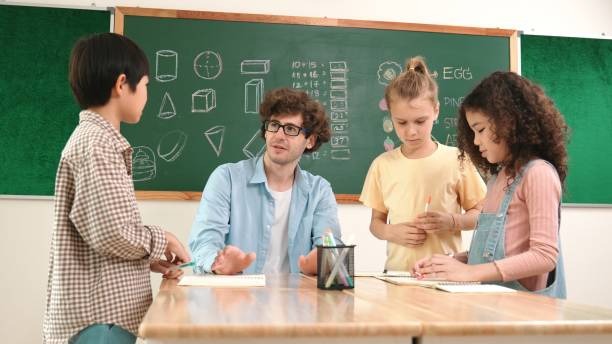
In the world of education, finding ways to naturally motivate students can feel like a delicate dance.
The pressures of standardized testing, the weight of curriculum expectations, and the diverse needs of learners can create a challenging environment.
However, the key to unlocking genuine enthusiasm lies in classroom activities that resonate with students on a personal level.
By embracing creativity, collaboration, and a touch of playfulness, educators can cultivate a space where students feel inspired to learn.
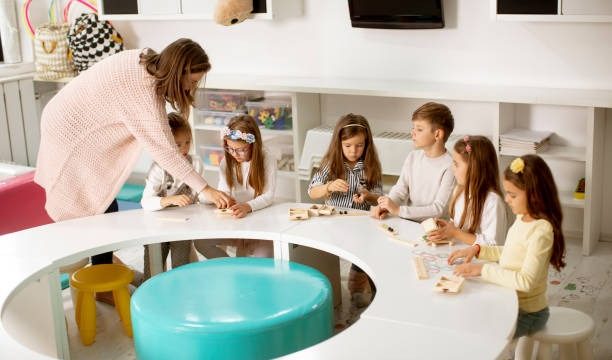
Creating a welcoming atmosphere is essential to enhancing student motivation. When classrooms are infused with warmth, students are more likely to engage. Simple adjustments, like arranging desks in a circle or incorporating soft lighting, can transform the space into a more inviting environment. A comfortable setting encourages open dialogue and fosters connections among peers, making students feel more at ease in expressing themselves.
One of the most effective ways to spark motivation is through project-based learning. This approach allows students to explore real-world challenges and develop solutions collaboratively. For instance, organizing a community service project can ignite passion and purpose. When students see the impact of their efforts on others, they become more invested in their learning experience. This sense of ownership not only enhances understanding but also nurtures empathy and social responsibility.
Incorporating elements of play can also breathe new life into the classroom. Games, whether they are educational board games or interactive digital platforms, can transform learning into a joyful experience. Consider hosting a friendly competition where students work in teams to solve problems or answer questions. The thrill of teamwork and the spirit of competition can motivate students to dive deeper into the subject matter, all while having fun.
Another gentle yet effective strategy is integrating art into the curriculum. Creative expression can serve as a powerful motivator, allowing students to connect with their learning in a unique way. Whether it’s through drawing, painting, or even drama, incorporating artistic elements can make lessons more relatable. For example, students might illustrate a story’s themes or recreate historical events through skits. This blend of creativity and education not only enriches their understanding but also allows for personal expression.
A small shift toward balance can also play a significant role in maintaining motivation. Often, students feel overwhelmed by the demands of schoolwork. Incorporating mindfulness activities into the daily routine offers a refreshing break. Simple practices like guided meditation or breathing exercises can help students center themselves, reducing stress and fostering a more focused mindset. When students feel mentally balanced, they are more likely to engage fully in their learning experiences.
Furthermore, fostering a sense of community in the classroom can greatly enhance motivation. Students thrive in environments where they feel valued and connected to their peers. Organizing group discussions or peer-to-peer teaching sessions encourages collaboration and builds relationships. When students see their classmates as partners in learning, they are more inclined to participate actively and support one another’s growth.
In today’s digital age, technology can serve as a bridge to motivation. Utilizing educational apps and online resources can make learning more dynamic and interactive. For instance, incorporating virtual field trips or interactive simulations can transport students to different places and times, sparking curiosity and excitement. Technology also allows for personalized learning experiences, catering to individual interests and learning styles. By embracing these tools, educators can create a more engaging and relevant learning environment.
Another gentle way to motivate students is by connecting lessons to their interests and passions. Taking the time to understand what drives each student can lead to more meaningful learning experiences. Whether a student is passionate about sports, music, or environmental issues, integrating these interests into lessons can ignite a spark. For example, a science lesson on ecosystems can be enriched by discussing local wildlife or environmental initiatives that resonate with students. When learners see the relevance of their studies in relation to their lives, motivation naturally follows.
Encouraging student voice is another key element in fostering intrinsic motivation. Providing opportunities for students to share their ideas, opinions, and feedback creates a sense of ownership over their learning journey. This could be as simple as allowing students to choose project topics or encouraging them to propose solutions to classroom challenges. When students feel their perspectives are valued, they are more likely to engage actively and enthusiastically in their education.
Lastly, celebrating progress, no matter how small, can significantly impact motivation. Recognizing student achievements, whether through verbal praise or showcasing their work, reinforces a positive learning environment. Celebrations don’t always need to be grand; a simple acknowledgment of effort can go a long way in making students feel appreciated and motivated to continue striving for success.
In conclusion, motivating students naturally is an art that requires thoughtful approaches and a deep understanding of their needs. By creating a warm and welcoming atmosphere, embracing creativity, encouraging collaboration, and integrating personal interests, educators can inspire students to engage in their learning journeys. The goal is to cultivate a classroom environment where curiosity thrives, and students feel empowered to explore, create, and grow. As we nurture this sense of motivation, we not only enhance academic achievement but also foster a lifelong love for learning.