In the ever-evolving landscape of education, the traditional classroom is undergoing a delightful transformation.
Modern learners are not just passive recipients of knowledge; they are active participants in their educational journeys.
As we embrace this shift, innovative classroom activities emerge as essential tools that foster engagement, creativity, and collaboration.
These activities not only cater to diverse learning styles but also help students develop critical life skills. Let’s explore some refreshing approaches that can breathe new life into the classroom experience.
A gentle embrace of technology
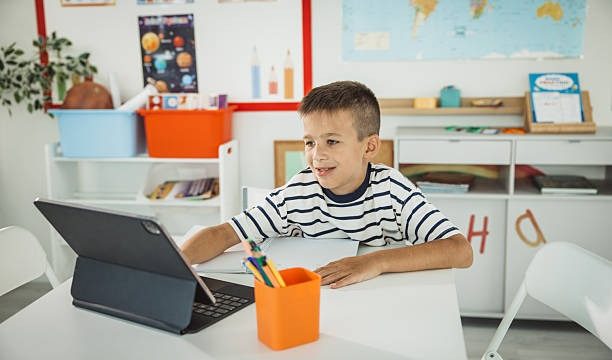
One of the most significant shifts in education is the integration of technology. Digital tools can enhance learning experiences and facilitate connections that were once unimaginable. For instance, virtual reality (VR) can transport students to historical events or distant planets, allowing them to explore and interact in ways that textbooks simply cannot. This immersive experience can ignite curiosity and foster a deeper understanding of complex subjects.
Moreover, platforms that encourage collaborative projects can bring students together, even from different corners of the globe. Imagine a group of students in one country working alongside peers from another, sharing insights and perspectives on a shared topic. Such activities not only enrich the learning experience but also cultivate a sense of global citizenship and empathy.
Nurturing creativity through art and expression
Art has always been a powerful medium for expression, and incorporating creative activities into the classroom can significantly enhance learning. Allowing students to express their understanding of a subject through various art forms—be it painting, music, or drama—can lead to profound insights. For example, a history lesson could culminate in a theatrical presentation where students reenact historical events, giving them a personal connection to the material.
Encouraging students to create their own stories or narratives around a lesson can also foster critical thinking and imagination. By allowing them to transform facts into engaging tales, educators can help students retain information while also nurturing their creative instincts.
Fostering collaboration and teamwork
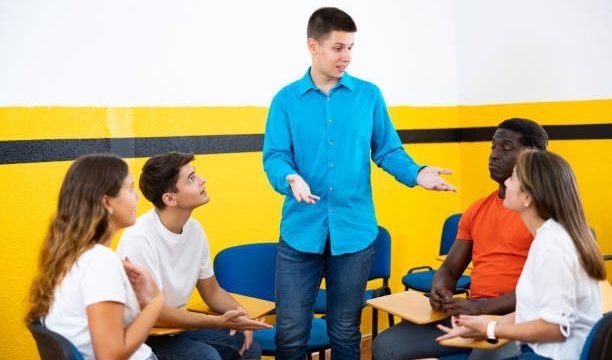
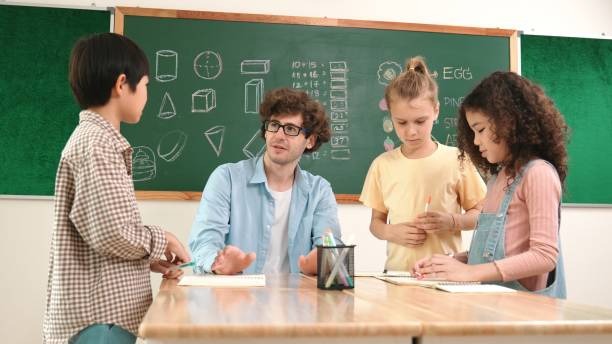
In today’s world, collaboration is more important than ever. Activities that promote teamwork can help students develop essential social skills while learning to appreciate diverse viewpoints. Group projects, whether they involve scientific experiments, community service initiatives, or creative challenges, encourage students to communicate, negotiate, and work together toward a common goal.
Incorporating role-playing scenarios can also enhance this collaborative spirit. Students can take on different roles within a group, simulating real-world situations that require problem-solving and cooperation. This experiential learning approach not only prepares them for future challenges but also strengthens their ability to empathize with others.
A small shift toward balance
Wellness is becoming an increasingly vital aspect of education. Integrating mindfulness practices and physical activities into the classroom can help students manage stress and improve focus. Simple breathing exercises or short meditation sessions can create a calming environment that enhances learning. This small shift can lead to a more balanced approach to education, where mental health is prioritized alongside academic achievement.
Physical activity can also play a crucial role in maintaining that balance. Incorporating movement into lessons, whether through dance, outdoor exploration, or even simple stretching exercises, can invigorate the classroom atmosphere. When students feel physically engaged, they are often more alert and ready to learn.
Exploring real-world connections
One of the most effective ways to make learning relevant is by connecting classroom activities to real-world scenarios. Project-based learning, where students tackle real-life problems, can be both motivating and enlightening. For instance, a science class could involve researching local environmental issues and developing solutions that can be presented to the community.
Bringing in guest speakers or organizing field trips can also enrich the learning experience. Hearing from professionals in various fields can inspire students and provide them with insights into potential career paths. These experiences help students understand the practical applications of their studies, making learning more meaningful.
Cultivating a growth mindset
Encouraging a growth mindset in the classroom can have a profound impact on students’ attitudes toward learning. Activities that emphasize resilience and perseverance can help students view challenges as opportunities for growth rather than obstacles. Celebrating effort and progress, rather than just outcomes, fosters a positive learning environment.
Incorporating reflective practices, such as journaling or group discussions about challenges faced during projects, can help students process their experiences. This reflection not only aids in personal growth but also reinforces the idea that learning is a continuous journey filled with ups and downs.
Creating a sense of community
A supportive classroom community can significantly enhance the learning experience. Activities that promote bonding, such as team-building exercises or collaborative art projects, help students feel connected to one another. When students know they can rely on their peers, they are more likely to take risks and engage fully in their learning.
Building a classroom culture that values respect, inclusivity, and kindness can create a safe space for all students. Encouraging them to share their unique backgrounds and experiences can enrich discussions and foster a deeper understanding of each other’s perspectives.
As we navigate the future of education, it is essential to embrace innovative classroom activities that resonate with modern learners. By integrating technology, nurturing creativity, fostering collaboration, and promoting wellness, educators can create a dynamic and engaging learning environment. These approaches not only enhance academic achievement but also prepare students for the diverse and interconnected world they will soon enter. In this ever-changing landscape, the possibilities for learning are as boundless as the imagination itself.