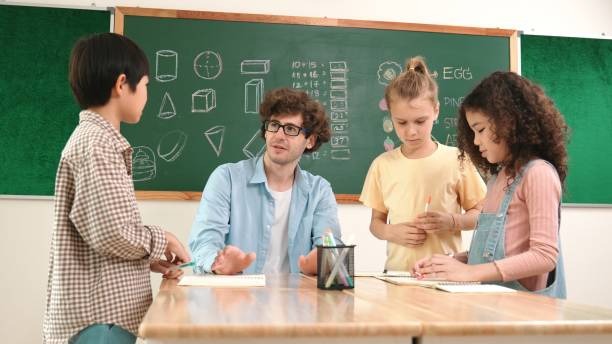
In an ever-evolving educational landscape, schools are increasingly embracing cooperative learning programs.
These initiatives, which encourage students to work together toward common goals, have gained traction for their holistic approach to education.
But what is it about cooperative learning that makes it so appealing to educators and students alike? Let’s explore the myriad benefits of this collaborative approach and how it fosters a richer learning experience.
The essence of cooperative learning lies in its core principle: teamwork. In a world where communication and collaboration are vital skills, fostering these attributes from an early age is crucial. Cooperative learning programs create an environment where students can engage with one another, share ideas, and support each other’s learning journeys. This not only enhances understanding of the material but also cultivates a sense of community within the classroom.
A natural harmony develops when students work together. They learn to appreciate diverse perspectives and ideas, which enriches their educational experience. Each student brings unique strengths to the table, and cooperative learning allows them to leverage these differences. In a cooperative setting, students are encouraged to express their thoughts, listen actively, and develop empathy, which are essential skills for their future endeavors.
One of the most profound impacts of cooperative learning is its ability to boost confidence. Students often feel more comfortable sharing their thoughts in small groups than in a whole-class setting. This supportive atmosphere can break down barriers and help even the most reserved students find their voice. As they contribute to group discussions, they gain confidence not only in their academic abilities but also in their capacity to collaborate with others.
Moreover, cooperative learning encourages accountability. In a group, each member is responsible for their contributions, which fosters a sense of ownership over the learning process. Students quickly learn that their efforts influence the success of the entire team. This accountability can motivate them to engage more deeply with the material, knowing that their peers are counting on them. As they navigate challenges together, they develop resilience and problem-solving skills that will serve them throughout their lives.
The benefits extend beyond academic achievement. Cooperative learning programs can also improve social skills and emotional intelligence. Students learn to navigate conflicts, negotiate roles, and celebrate achievements together. These experiences not only help them build friendships but also teach them valuable lessons about cooperation and compromise. Such skills are essential in today’s interconnected world, where collaboration often leads to innovation and success.
A gentle shift toward inclusivity is another hallmark of cooperative learning. By working in diverse groups, students have the opportunity to interact with peers from various backgrounds. This exposure fosters an appreciation for diversity and helps students understand different viewpoints. In a cooperative environment, every voice matters, promoting a culture of respect and understanding that can extend beyond the classroom.
Teachers play a pivotal role in the success of cooperative learning programs. They are not just facilitators but also guides who help students navigate the complexities of group dynamics. By carefully structuring activities and providing support, educators can create an environment where students feel safe to explore, make mistakes, and learn from one another. This nurturing approach allows students to thrive academically and socially.
The structure of cooperative learning can vary widely, adapting to different subjects, age groups, and learning styles. Whether through project-based learning, peer tutoring, or group discussions, the focus remains on collaboration and shared learning experiences. This flexibility makes cooperative learning a versatile tool in any educator’s toolkit, allowing them to tailor their approach to meet the needs of their students.
As schools continue to embrace this collaborative approach, the positive outcomes are becoming increasingly evident. Research has shown that students engaged in cooperative learning tend to demonstrate improved academic performance, higher retention rates, and greater motivation. These benefits not only enhance individual learning experiences but also contribute to a more vibrant and dynamic classroom atmosphere.
The journey toward cooperative learning is not without its challenges. It requires careful planning, ongoing support, and a willingness to adapt. However, the rewards—both for students and educators—are well worth the effort. By investing in cooperative learning programs, schools are not just teaching academic content; they are nurturing well-rounded individuals who are prepared to thrive in a complex and interconnected world.
In conclusion, the growing popularity of cooperative learning programs reflects a broader understanding of what it means to educate. It’s about more than just imparting knowledge; it’s about fostering connections, building communities, and preparing students for a future that values collaboration. As we continue to explore new ways of learning, cooperative programs stand out as a promising path toward a more inclusive, engaging, and effective educational experience. Embracing this approach is not just a trend; it’s a vital step toward nurturing the next generation of thinkers, creators, and leaders.